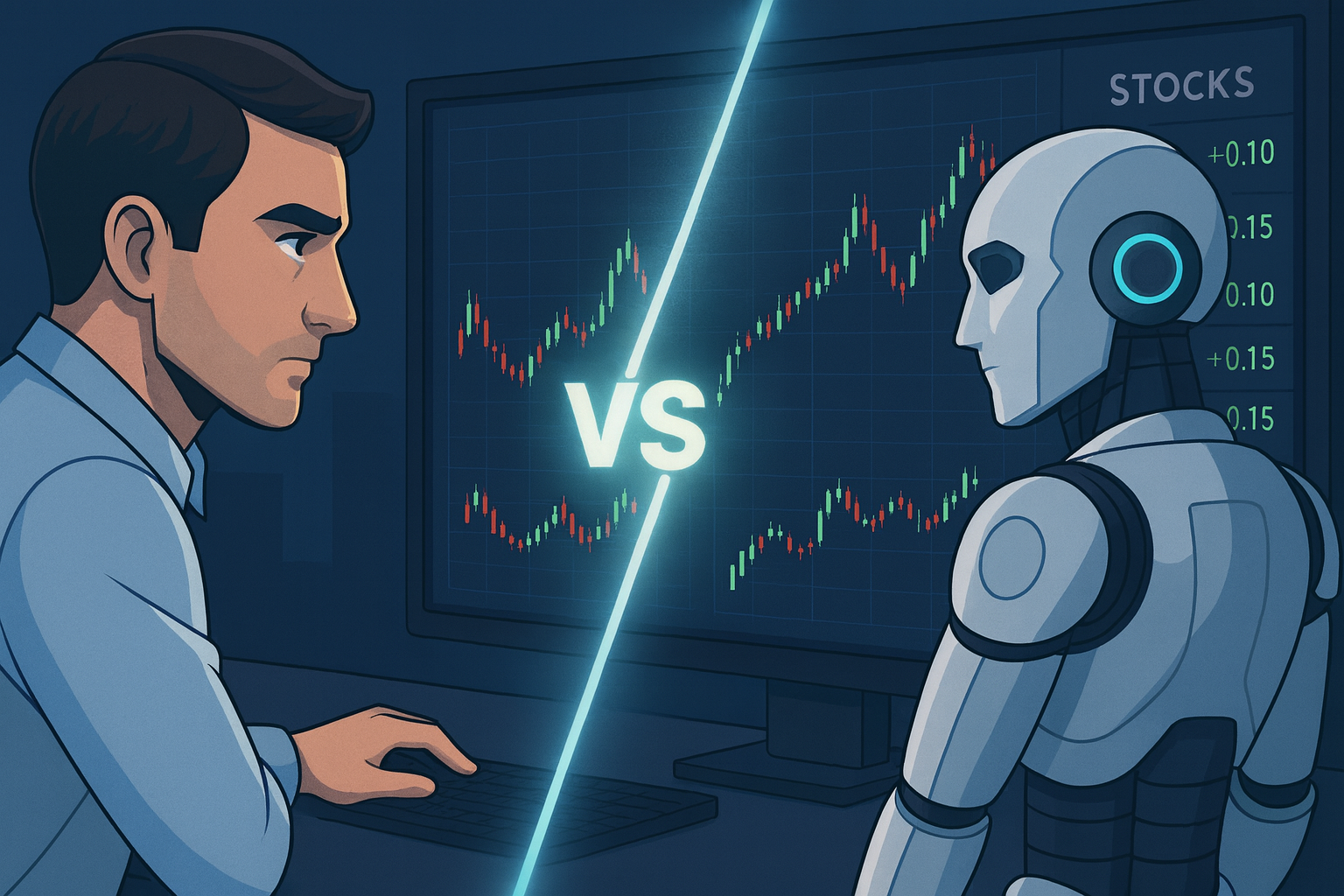
Most traders read signals in a very human way. Sounds absolutely weird, I know, but let me explain…
Traders will often see a direction, glance at the target, and instantly start leaning emotionally. Bullish. Bearish. Exciting. Scary. High conviction. Low conviction. The problem is that none of those reactions tells you much about how the setup is actually expected to behave.
That is where probability changes the conversation with the help of GenAI. When a signal includes probability context, you stop looking at it like a simple opinion on price and start reading it more like a structured scenario.
You are no longer asking only, “Is this trade long or short?” You are also asking, “How likely is this target? How quickly is the setup expected to play out? How long does the signal stay valid? What are the odds that the setup gets invalidated first?”
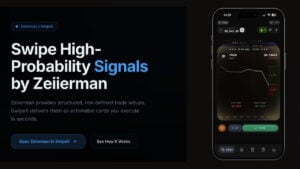
Not sure if you have read the news, but Zeiierman Trading recently partnered with SwipeX – Tinder for Trading, to bring our trading signals to you with additional context. For this article, I’ll use SwipeX x Zeiierman as the running example to explain how and why an AI probability layer is a game changer when it comes to trading signals.
1. What “AI Probability” Actually Means for Trading Signals
Let’s be clear about one thing from the get-go: AI probability does not mean the model is predicting the future with certainty. It means the signal is being framed with additional statistical context before the trader makes a decision.
On the SwipeX x Zeiierman side, that context includes target probabilities, median time-to-hit, stop/invalidation probability, and expiry, all precomputed for each setup. Matter of fact, SwipeX has backtested this layer across 1,400+ setups.
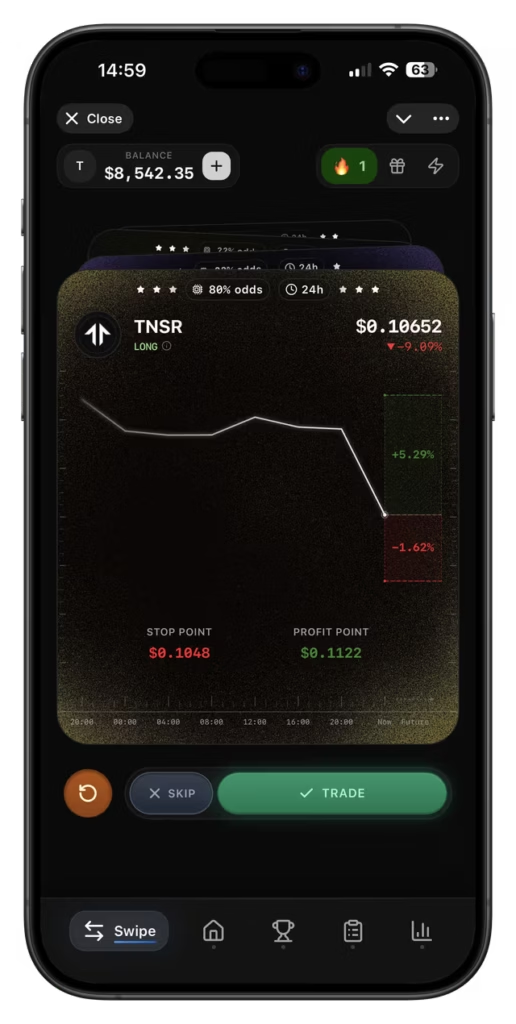
So the role of AI probability here is not to replace the trade setup. The setup still begins with the structure: direction, entry, stop-loss, targets, timeframe, and validity window. Probability simply helps the trader read that structure more effectively. It adds context to the decision, not certainty to the outcome.
Read: A Beginner’s Guide to Structured Trade Signals on SwipeXA. How Traders Usually Read Signals Without Probability
In my experience, most traders end up reading signals like a headline and completely miss the structure behind them. They see long or short, glance at the target, maybe check the entry, and then jump straight into an opinion: “This looks good,” “This feels late,” “This one looks strong.”
This creates a crucial gap because a signal is not just about where the price might go. It is also about the pace, risk, and shelf life of the opportunity. If you ignore those layers, you end up making even a structured setup feel like a half-informed decision.
It also leads traders to misread “good-looking” signals. A setup can have a clear direction and attractive targets, yet still be less compelling if the invalidation odds are high, the time-to-hit is longer than the trader expects, or the expiry window is too tight for their trading style. Without a probability context, those tradeoffs are much easier to miss.
So in practice, traders without probability data tend to do one of two things:
- They overreact to the upside and treat the signal like certainty.
- Or they underread the setup and fail to appreciate how the trade is actually structured.
One leads to overconfidence. The other leads to poor decision-making.
B. How Probability Changes the Reading Process
A normal signal might tell you where the setup is trying to go. Probability helps tell you how that path is expected to unfold. On the SwipeX x Zeiierman side, the platform shows target probabilities, median time-to-hit, stop/invalidation probability, and expiry. That means the signal is not just directional. It is framed with additional behavioral context from the start.
Instead of assuming a target is equally likely to be reached just because it is listed, probability helps rank the likelihood of each outcome.
Median time-to-hit also changes your sense of pace, and that is an underrated piece of info in my experience. If a setup does not move fast enough, many traders become impatient and start second-guessing it. But if the signal includes a median time-to-hit, you now have a better sense of how long the setup is expected to take to develop.
Next is the stop/invalidation probability, which forces you to respect risk. Instead of constantly thinking about the likelihood of profits, you’re forced to think about the scenario where the setup might fail on you. And that also makes expiry data very crucial. Expiry stops stale ideas from being treated like fresh opportunities.
If a setup has an expiry window, that changes how you treat the opportunity. It tells you the signal is valid only for a limited period, not forever. The SwipeX probability layer displays expiry alongside the rest of the setup context, helping prevent traders from treating an old card as a fresh trade.
Together, these fields create a better read. When you combine target odds, median time-to-hit, stop probability, and expiry, you stop reading the signal like a single directional idea and start reading it like a complete scenario:
- What is the trade trying to do?
- How likely is each outcome?
- How quickly is it expected to play out?
- How likely is failure before success?
- How long does the signal remain worth considering?
2. What Probability Does Not Mean
Probability does not mean certainty. It does not mean the setup is guaranteed to work. And it absolutely does not mean the trader can stop thinking just because the card looks statistically attractive.
A high-probability setup can still fail. A lower-probability setup can still work. Probability is there to help you frame the trade better, not to remove the reality that markets are uncertain. Even on the SwipeX side, the trader still stays in control and decides whether to swipe to execute or skip the setup if it does not fit the plan. That alone tells you how the product itself should be used: as a decision aid, not as a replacement for judgment.
It also does not replace risk management. You still need to respect the stop-loss, the validity window, your own position sizing, and the possibility that the setup simply does not play out the way the probability context suggests. The structure may be stronger. The expectations may be clearer. But the responsibility is still yours.
Read: Build Your First Trading Bot: A Simple TradingView Breakout Bot from Setup to Live Alerts3. A Better Way to Read a Signal With Probability
Once probability becomes part of the signal, the reading process should change accordingly. Here’s how I would do it.
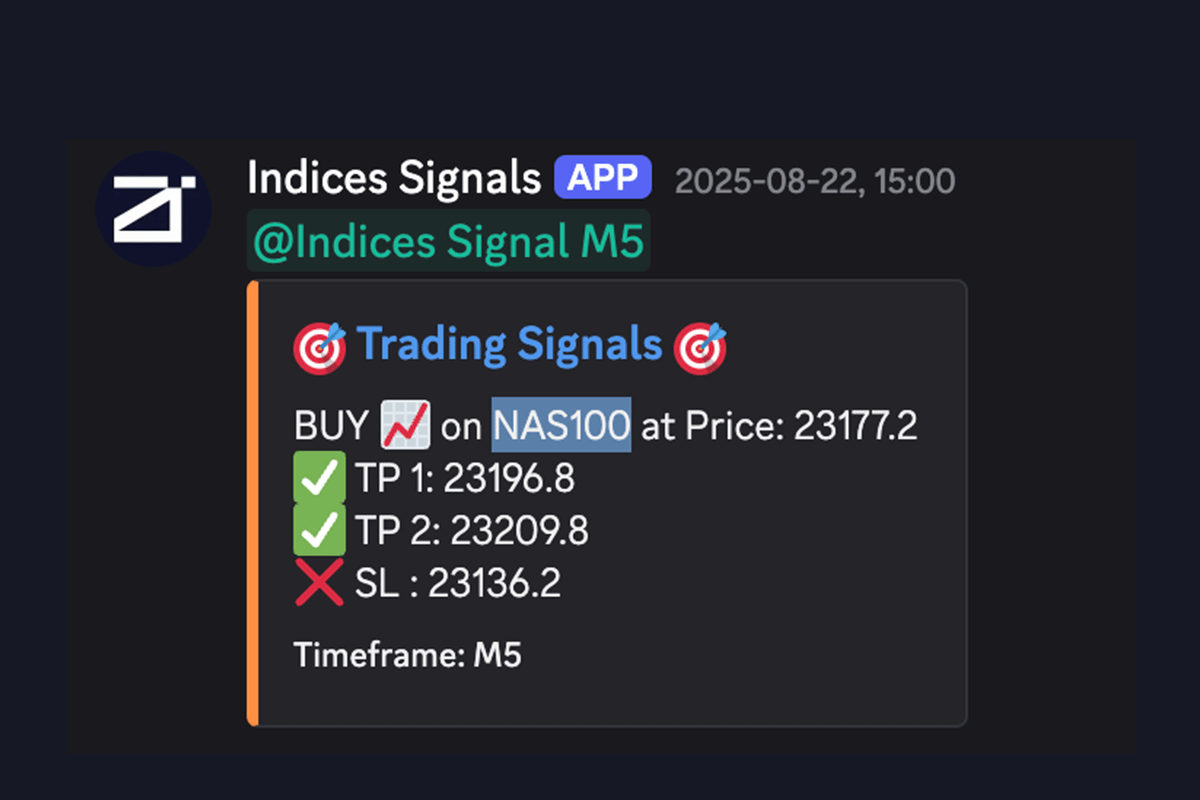
Step 1. Start with the structure.
Read the direction, entry, stop-loss, and targets first. Probability should never be the first thing you look at. If the setup itself is weak or unclear, the extra data will not save it.
Step 2. Use target probability to frame expectations.
If TP1, TP2, and TP3 all carry different odds, then they should not all live equally in your head. That changes how you think about realism, not just upside. SwipeX’s AI layer explicitly presents different target probabilities, which is useful because it stops traders from assuming every listed target is equally likely.
Step 3. Check the median time-to-hit before you get impatient.
A setup that is expected to take time should not be judged on an emotional clock. If the signal shows a median time-to-hit in bars, use that to calibrate your patience. That way, you are less likely to bail early just because the move is slower than your mood wants it to be. SwipeX includes median time-to-hit directly in its AI Probability view.
Step 4. Respect the invalidation probability as much as the upside.
Most traders naturally focus on the targets and mentally minimize the stop. That is backward. If the setup also shows stop or invalidation probabilities, then risk is presented within the same framework as reward. That is exactly how it should be read. SwipeX shows stop/invalidation probability alongside the target and timing data.
Step 5. Treat expiry like a real constraint, not a footnote.
If a signal expires in 24 hours, that matters. A fresh setup and a stale one are not the same opportunity. Expiry helps stop traders from forcing themselves into an old signal just because the chart still looks tempting. SwipeX’s probability panel includes an expiry field for each setup.
Step 6. Then ask the final trader question: Does this still fit me?
Even with all that structure, the last step is still personal. Does the setup fit your risk? Your open exposure? Your plan for the session? Probability can improve the read, but it does not remove the need for judgment.
Used properly, probability helps you read a setup more effectively. It helps you judge pace, respect invalidation, and avoid treating every target like a foregone conclusion. But none of that will turn the signal into certainty. And that is a good thing. Trading should still require thought.

Zeiierman
With over 16 years in the market, Zeiierman has extensive experience as a full-time trader and risk advisory consultant for hedge funds. He has developed many profitable trading strategies, drawing on his background in risk management and strategy execution.
More from Zeiierman