Hey everyone, this is SM_Trader.
Now that Mr. Z has already introduced the SwipeX partnership, I want to talk about the part that matters most to me as a trader: why this actually feels different from the alerts most of us are used to.
Because let’s be honest, the trading world is not exactly short on alerts. The real problem is that most of them are incomplete. They tell you something is happening, but they leave the difficult part to you. You still have to figure out the entry, where your stop should go, what your targets are, whether the setup is still valid, and whether you are already too late by the time you look at it.
That is exactly why this collaboration stood out to me.
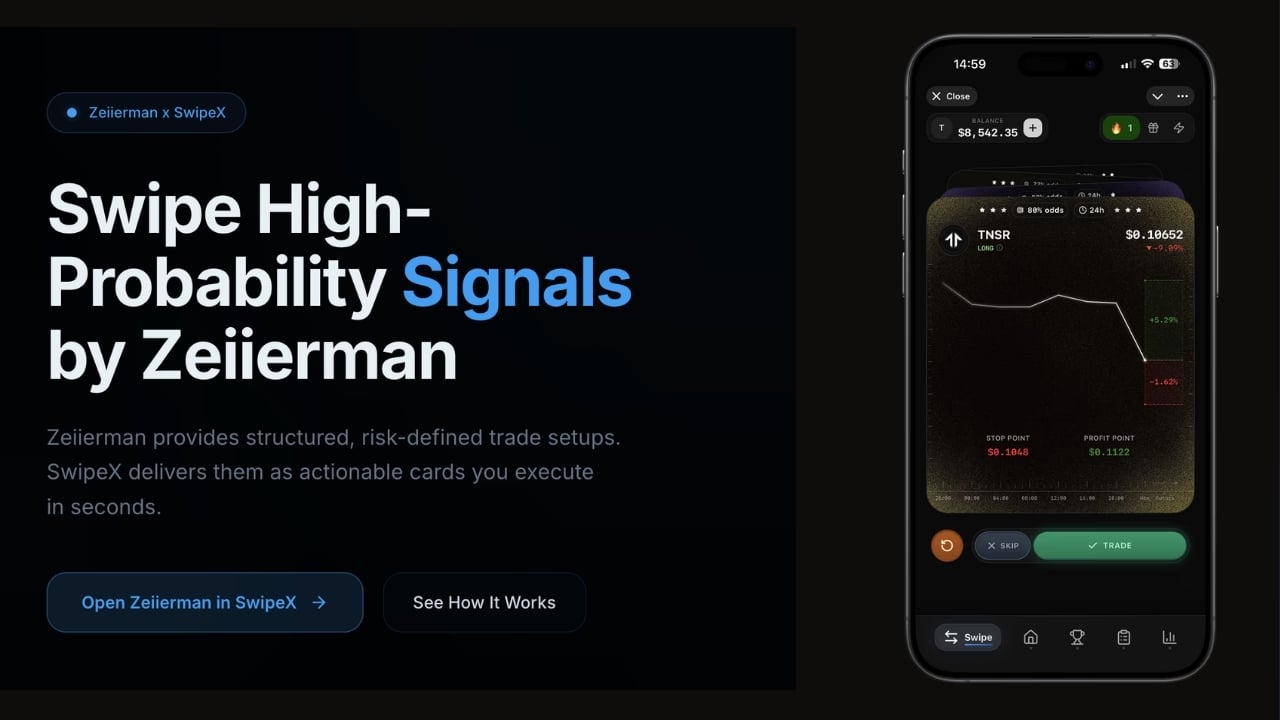
What we have with SwipeX x Zeiierman is not just another signal feed dressed up with nicer packaging. The difference is that the setup comes with structure. We will present you with a trade idea in a format that is clearer, easier to review, and much easier to act on, without turning the process into guesswork.
The Problem With Normal Trading Alerts
Now, I am not here to diss some of our TradingView counterparts who send out amazing alerts with great accuracy. We have our own version ourselves with the Zeiierman Trading Signals. However, there’s a fundamental issue that I have had with most alert systems: they stop too early.
A normal alert might tell you that the price broke a level, momentum picked up, or something “interesting” is happening on the chart. That sounds helpful until you realize you still have to do all the hard work yourself. You still have to decide where the entry actually is, where the setup becomes invalid, what the targets should be, how long the idea remains valid, and whether the market has already moved too far by the time you even open the chart.
That gap creates friction. And friction is where traders usually start making mistakes.
Some hesitate and miss the move. Others rush in late because the alert made the setup sound urgent. At that point, the alert is not really providing a setup. It is just passing the confusion downstream.
That is the deeper issue with vague alerts. They may be fast, but they are not necessarily useful. And in real trading, speed without structure is not much of an advantage.
What Makes SwipeX x Zeiierman Different
The difference is pretty straightforward: the signal does not stop at the alert.
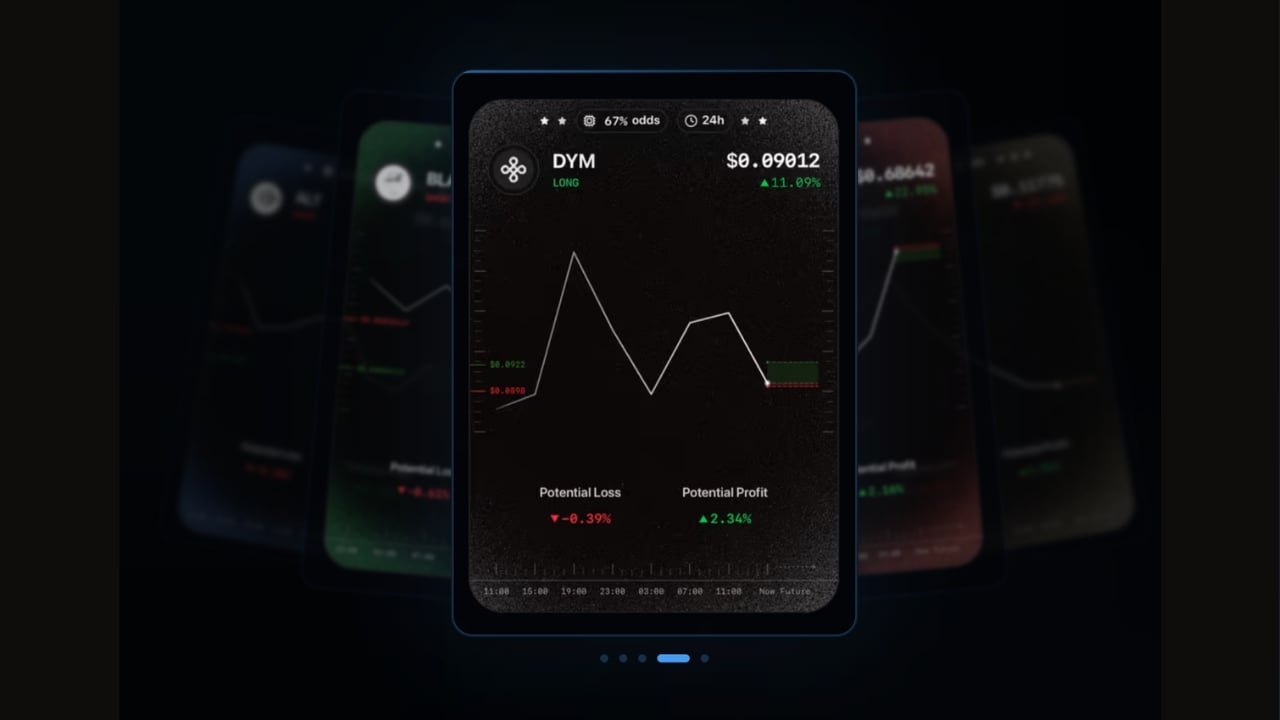
That is the part I care about most. This workflow gives you a structured trade setup. That means you are not just seeing that a market moved or that a condition triggered. You are seeing the actual framework of the trade: the direction, the entry, the stop-loss, the targets, the timeframe, and the context around how the setup is meant to play out.
That changes everything.
When structure is already built into the signal, the trader does not have to waste time filling in the blanks or second-guessing basic decisions. The workflow becomes faster, but more importantly, it becomes cleaner. You are no longer trying to turn a rough alert into a full trade plan on the fly. A large part of that work has already been done.
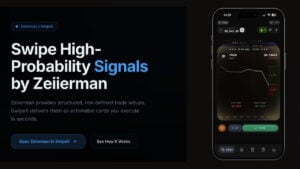
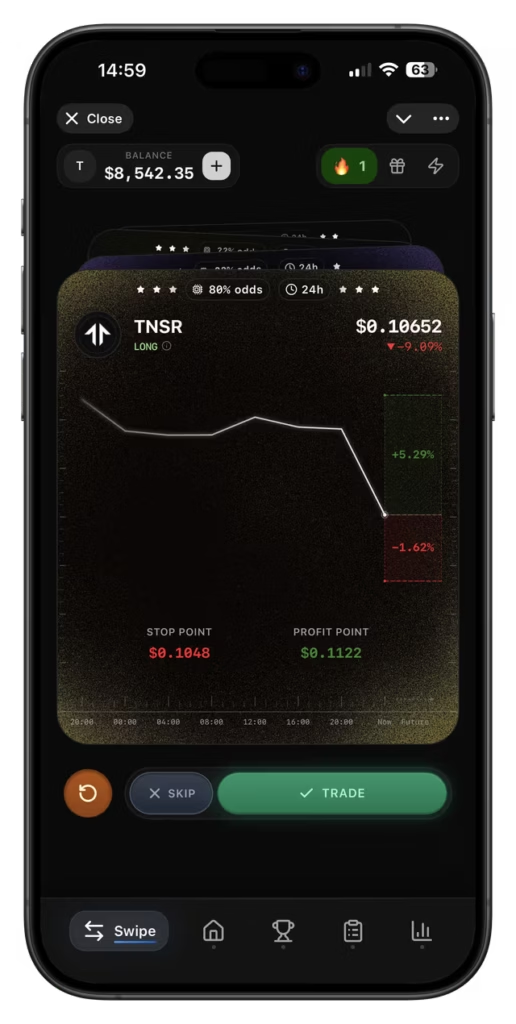
Another thing that makes this feel different is the way the setup is presented. Inside SwipeX, the signal shows up as a structured card, not a random piece of information buried in a chat, a dashboard, or a noisy alert stream. That format matters more than people think. When the signal is easier to read, it becomes easier to review properly and easier to act on without hesitation.
And then there is the extra context layer. With SwipeX x Zeiierman, you are not just getting entry, stop, and targets. You are also getting details like time-to-hit, expiry, and probability context, which make the setup feel far more complete than the average signal most traders are used to seeing. That does not mean the signal is magically perfect. It means the trader is working with more structure and better information from the start.
That is the real difference. Not louder alerts. Not more noise. Just a better-formed trading workflow around the signal itself.
Why Entry, Stop, Targets, Time-to-Hit, and Expiry Matter
If an alert only tells you that something is happening, you still have to build the trade yourself. That is why these details matter so much.
- Entry tells you where the trade is meant to begin.
- Stop-loss defines the risk before you do anything reckless.
- Targets turn the setup into a plan instead of a hope.
- Time-to-hit helps you gauge how quickly the setup is expected to unfold.
- Expiry stops stale ideas from hanging around longer than they should.
On the SwipeX x Zeiierman side, those parameters are built into the signal structure itself, along with the timeframe and risk context, so the trader is reviewing a complete setup rather than trying to assemble one on the fly.
At the end of the day, this is the part that matters to me most as a trader: clarity.
We did not partner with SwipeX just to push out more signals. We partnered because the product adds a cleaner execution and review layer to the structured setups we already believe in.
If a normal alert leaves you with more questions than answers, this workflow is built to change that. Structured signals, clearer context, and a faster path from alert to action – that is what makes SwipeX x Zeiierman worth paying attention to.

SM_Trader
SM_Trader is a highly experienced coder and strategy developer who brings the most complex algorithms to life. As a member of MENSA, the prestigious organization for individuals with intelligence scores in the top 2% of the world, he combines exceptional analytical skills with a keen eye for numbers and statistics, empowering businesses to grow at the right pace and in the right direction.
More from SM_Trader