In most trading guides, I am talking about the mistakes that many inexperienced traders make and how to avoid them. While that’s still true, making mistakes is just a part of your trading journey. But not everything is your fault.
Inconsistency also comes from something much simpler: messy inputs.
If every trade setup is presented differently, the decision process changes each time, too. One alert is vague. Another is rushed. A third one looks promising but leaves out half the information you actually need. That kind of inconsistency adds friction before you even click a button.
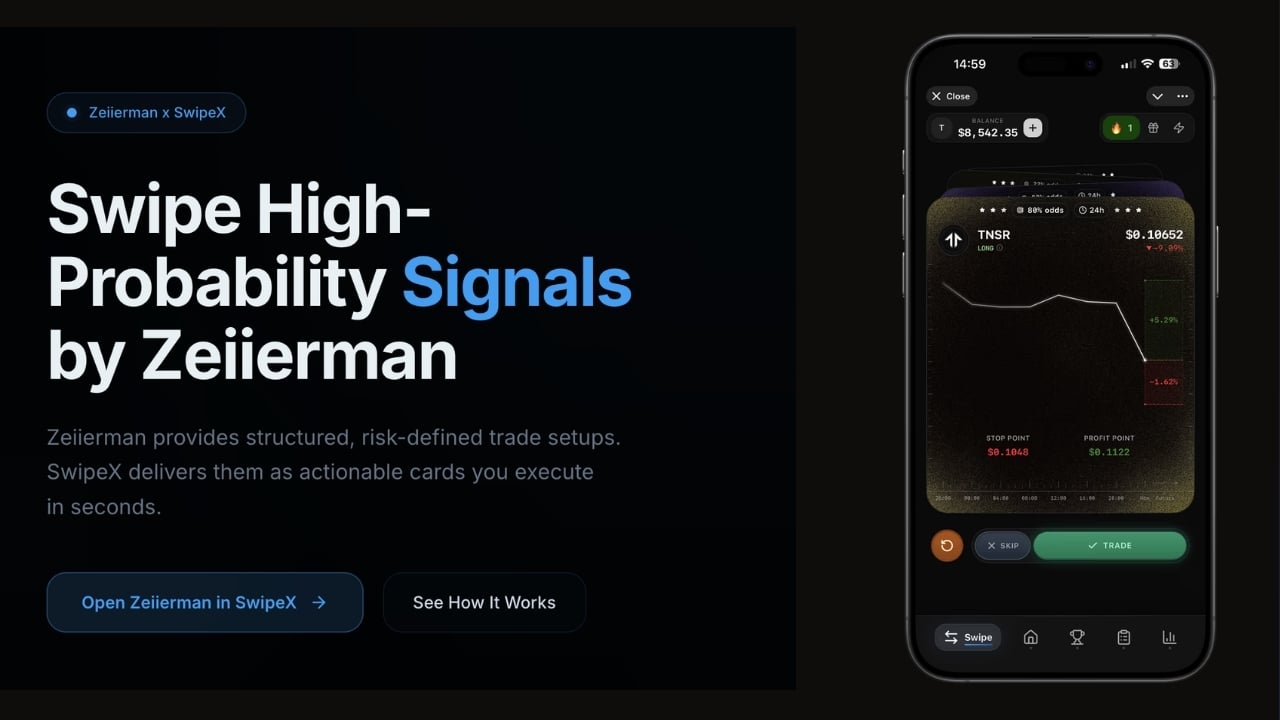
That is why structured signal cards matter more than people think. They cannot magically make someone disciplined, but they do make it easier to approach each setup with the same framework.
How Structure Creates Consistency
Consistency starts getting easier when the review process stops changing each time you look at an alert. That is the real advantage of structured trading alerts / signals. Instead of throwing random information at the trader and asking them to build the trade plan on the fly, a structured alert already lays out the important pieces in a repeatable format.
When every setup appears in the same kind of structure, the brain stops jumping between different interpretations. You are no longer asking, “Wait, what am I supposed to do with this alert?” You are reviewing the same framework again and again:
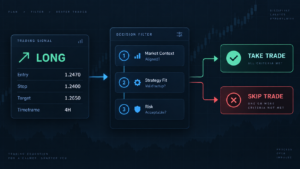
- What is the direction?
- Where is the entry?
- Where am I wrong?
- What are the targets?
- Is the setup still valid?
I know it sounds simple, but simple is good. It’s cleaner. And cleaner decisions, repeated often enough, build consistency.
Why This Matters More Than People Think
Many traders chase consistency by focusing solely on mindset. They tell themselves to be more disciplined, more patient, more confident. That is fine, but it is incomplete.
If the decision environment is messy, discipline gets harder. Structured signal cards make consistency easier by reducing guesswork, minimizing random interpretation, and creating a more repeatable workflow for each setup. That matters more than people think, because consistency rarely comes from a single big breakthrough. It is usually built from smaller, repeatable decisions made with less friction and less confusion. A cleaner signal structure does not guarantee better trading on its own, but it does make better trading behavior much easier to build.

Zeiierman
With over 16 years in the market, Zeiierman has extensive experience as a full-time trader and risk advisory consultant for hedge funds. He has developed many profitable trading strategies, drawing on his background in risk management and strategy execution.
More from Zeiierman