Testing a trading strategy sounds simple until you actually sit down and decide how you are going to test it.
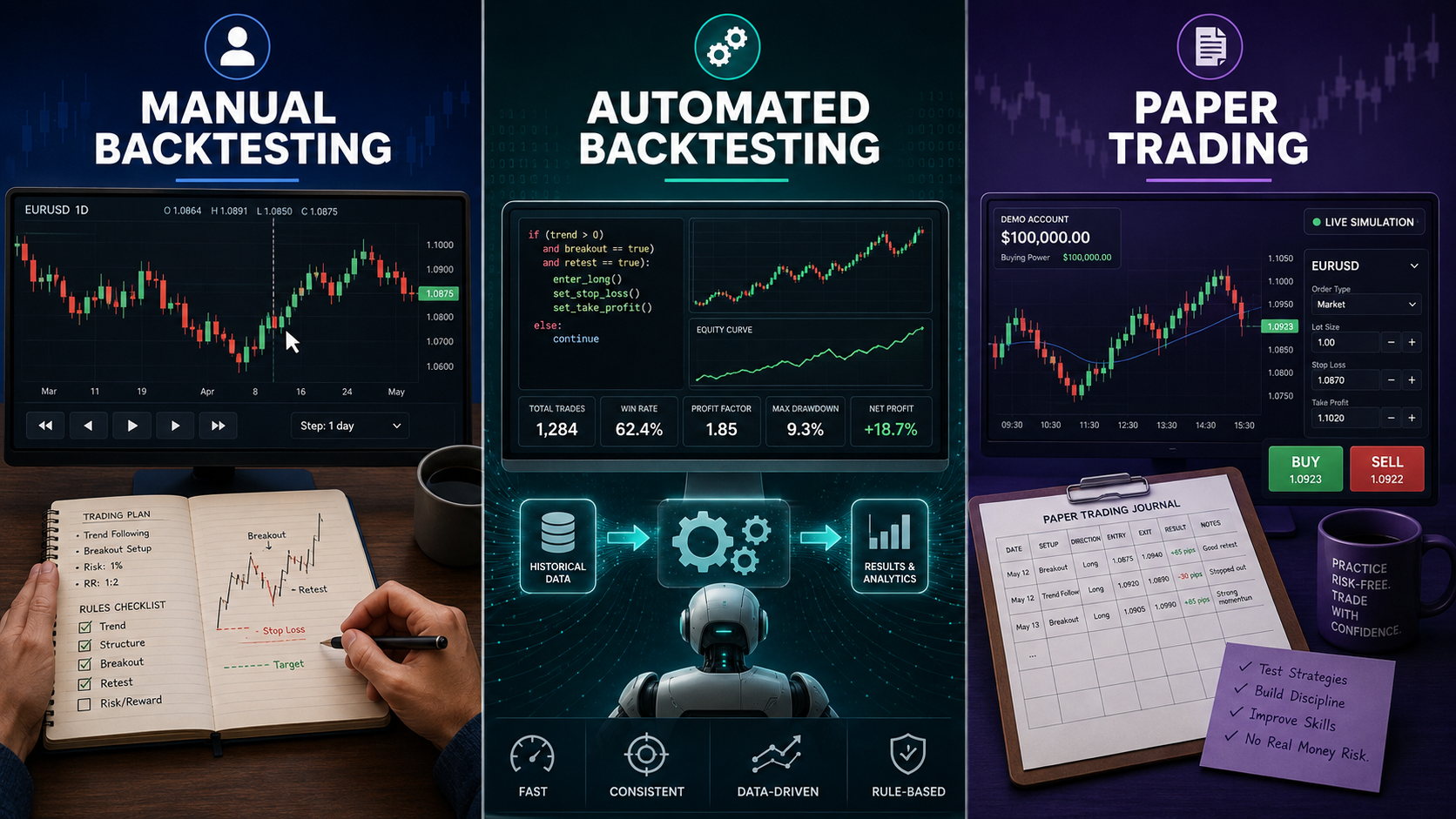
You can either scroll through old charts and record trades manually, code the rules and let software process years of historical data, or take that strategy into a paper trading account and see how it performs in live markets. All three approaches are useful, but for very different reasons.
Manual backtesting, automated backtesting, and paper trading are not three versions of the same thing. They test different parts of a trading strategy, expose different weaknesses, and come with very different trade-offs. Before comparing them point by point, let me quickly define the three methods for you properly.
1. What Are We Comparing?
A. Manual Backtesting
Manual backtesting means reviewing historical market data and applying your trading strategy one setup at a time yourself. There is no automated system deciding whether a trade qualifies. You look at the chart, apply your rules, record the hypothetical trade, and move through the sample manually.
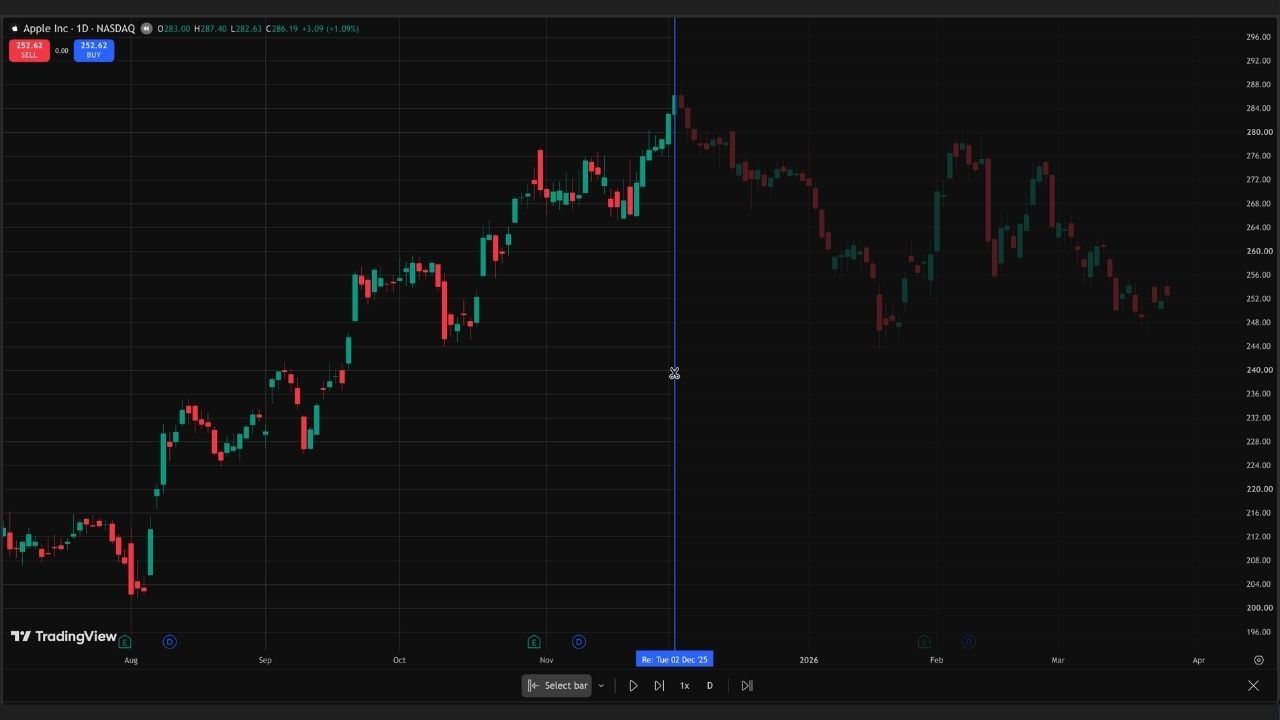
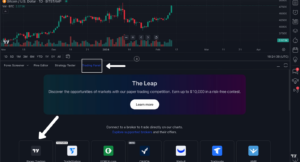
A more controlled version, such as TradingView’s Bar Replay, would use historical simulation tools that hide future price action and let the market unfold progressively.
B. Automated Backtesting
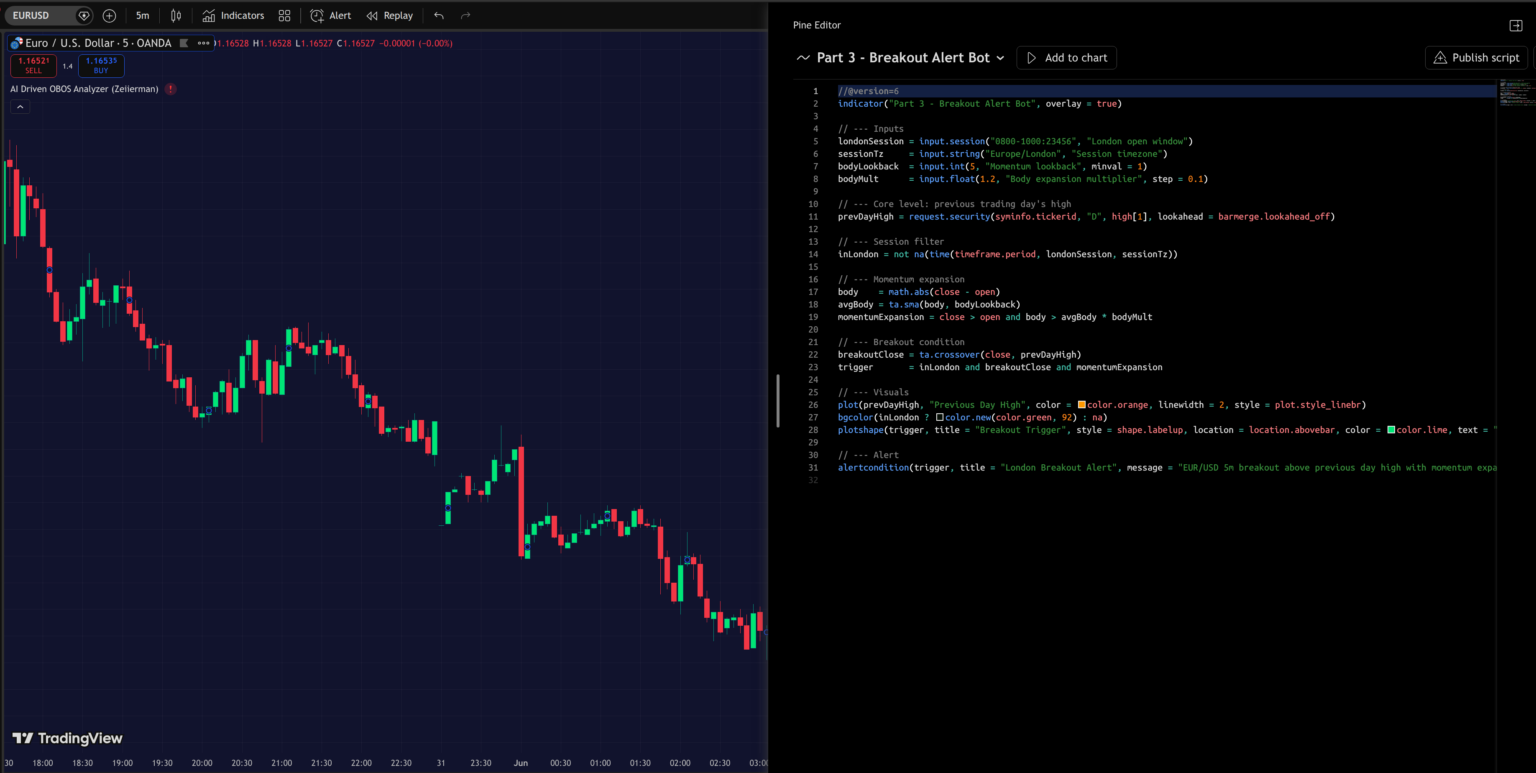
Automated backtesting uses software to apply predefined strategy rules across historical market data automatically. For example:
Buy when the 20-period moving average crosses above the 50-period moving average, place a stop 2% below the entry, and exit when the moving averages cross in the opposite direction.
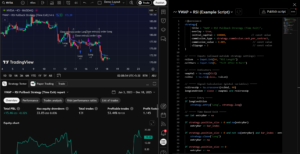
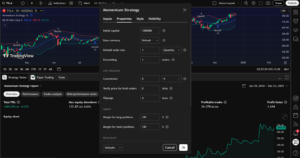
Once they are programmed into something like a TradingView Pine Script strategy, the system can evaluate a large historical sample and calculate the results. That gives automated backtesting a huge advantage in speed and scale.
C. Paper Trading
Paper trading means placing simulated trades using current market data instead of risking real capital. Unlike backtesting, you are no longer choosing a historical period and moving through it at your own pace. You are waiting for the live market to produce a setup.
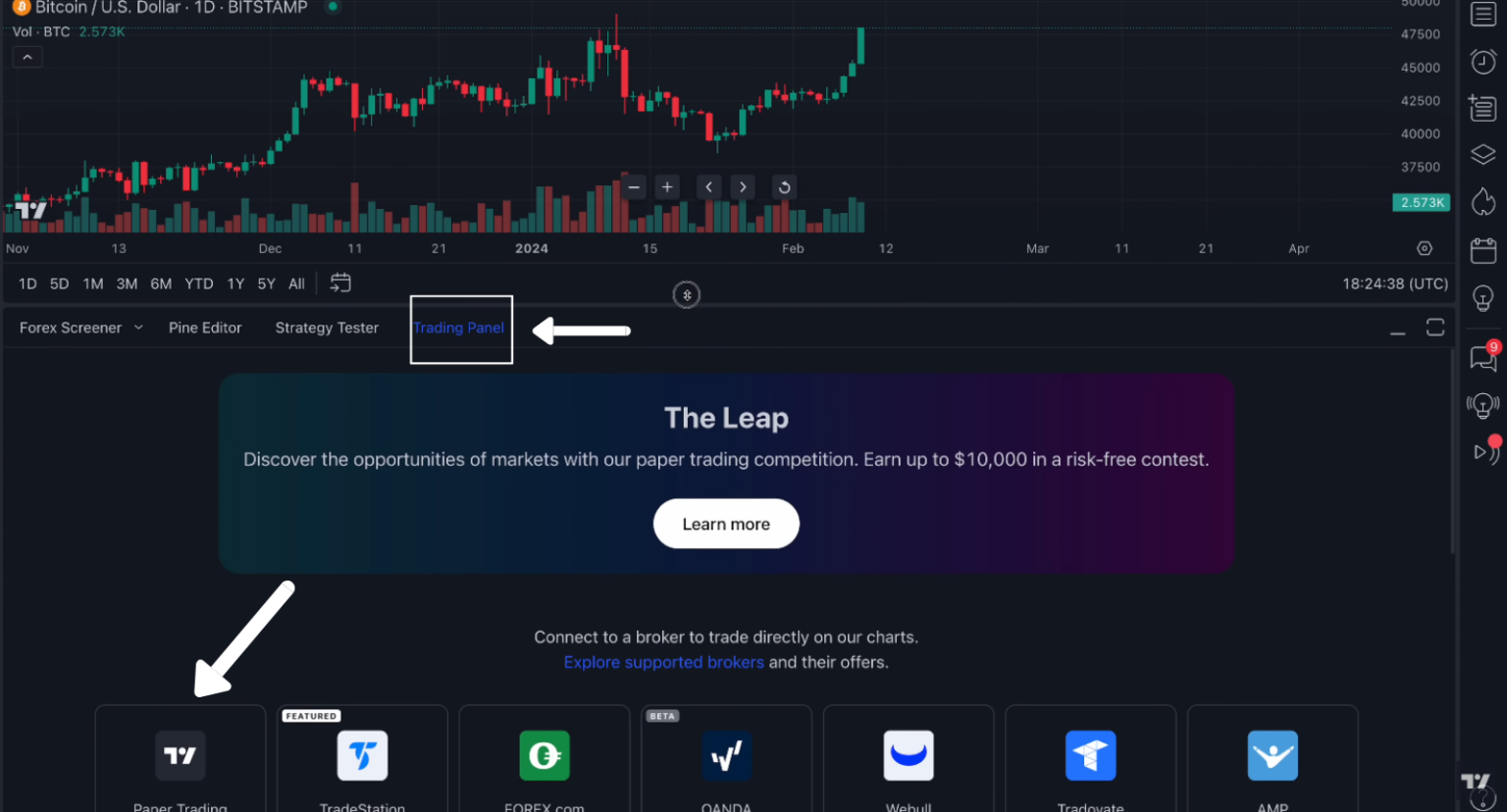
If your strategy only appears twice this week, you only get two opportunities to test it this week. You cannot skip through a quiet session, cannot reveal the next candle, cannot rewind and try the same trade again. That makes paper trading much slower than historical testing, but that limitation is also part of its value.
Read: TradingView’s Paper Trading: Setup, Execution, Trading & Lessons2. Manual Backtesting vs Automated Backtesting vs Paper Trading
The key point is that none of these methods dominates every row. Automated backtesting is clearly stronger when you need to process a large historical sample quickly. Manual backtesting is much better when the setup depends on visual context or trader judgment.
Paper trading gives up speed completely, but in return you get something the other two cannot provide: the experience of applying your strategy while the market is genuinely moving forward. That is why I would avoid asking which one is “best” in isolation.
| Comparison | Manual Backtesting | Automated Backtesting | Paper Trading |
|---|---|---|---|
| Data used | Historical | Historical | Current/live |
| Trader involvement | High | Low during execution | High |
| Speed | Slow to moderate | Very fast | Real-time |
| Sample size potential | Moderate | Very high | Low |
| Best strategy type | Discretionary or semi-systematic | Objective, rule-based strategies | Both |
| Coding required | No | Usually yes | No |
| Human judgment | Central | Minimized | Central |
| Hindsight risk | Moderate | Lower during execution | Very low |
| Execution practice | Moderate | Minimal | High |
| Emotional realism | Low | Very low | Moderate |
| Market realism | Historical simulation | Historical simulation | Current market |
| Ability to fast-forward | Usually yes | Not really relevant | No |
| Testing discretionary context | Excellent | Difficult | Excellent |
| Testing objective rules at scale | Limited | Excellent | Poor |
| Metrics and statistics | Usually recorded manually | Extensive and automatic | Depends on platform |
| Strategy iteration speed | Moderate | Very high | Slow |
| Commission/slippage modeling | Possible, but often manual or simplified | Usually configurable | More realistic, although still simulated |
| Ease of use | High | Depends on technical skill | High |
| Biggest strength | Flexibility and context | Scale and consistency | Real-time execution practice |
| Biggest weakness | Subjectivity and time | Bad assumptions can contaminate the entire test | Collecting meaningful data takes time |
| Best used for | Developing and refining setups | Statistical testing and validation | Forward testing and execution |
3. Historical Data vs Live Market Data
Manual and automated backtesting both work with historical market data, while paper trading works with the current market.
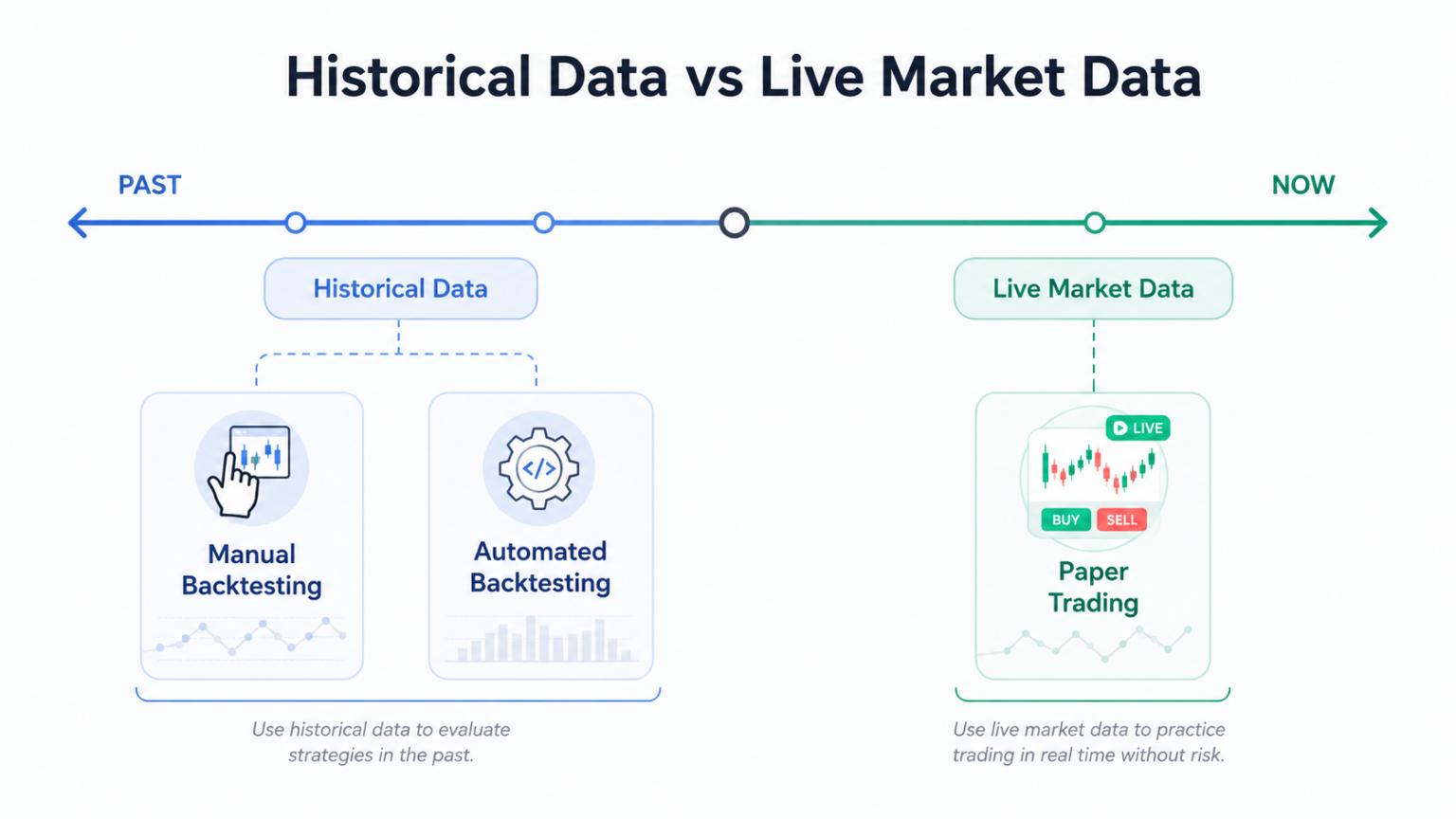
Backtesting lets you revisit past market conditions without waiting for them to occur again. Automated backtesting can process those historical trades automatically once the rules are defined. Paper trading removes that control over time. You cannot fast-forward through quiet periods or jump to another year. If the market gives you one setup this week, that is all you get.
This makes backtesting better for building historical samples and comparing how a strategy behaved across different conditions. Paper trading is slower, but it shows how the strategy behaves as genuinely new market data arrives.
4. Speed and Sample Size
Automated backtesting has the obvious advantage here: once the rules are coded, you can test hundreds or thousands of historical trades quickly. Manual backtesting is much slower since every setup still needs human review, while paper trading is slowest because you are limited by whatever the market produces in real time.
But bigger sample size does not automatically mean better evidence.
An automated test can generate thousands of trades, but if they all come from similar market conditions, poor assumptions, or over-optimized rules, the sample can still mislead you. Manual backtesting produces fewer trades, but lets you record context that a script may ignore. Paper trading produces the smallest sample, but it shows whether a strategy can survive current conditions.
So think about sample quality as well as quantity. Automated backtesting is strongest for scale. Manual testing is stronger for contextual depth. Paper trading is strongest for fresh, forward-looking evidence.
Read: Backtesting Smarter in TradingView: From Idea to Iteration in 20265. Discretionary Trading vs Rule-Based Strategies
The more objective your strategy is, the more useful automated backtesting becomes.
❌ “Buy when momentum is strong, structure looks healthy, and the pullback is clean.”
✅ “Buy when the 20 EMA crosses above the 50 EMA.”
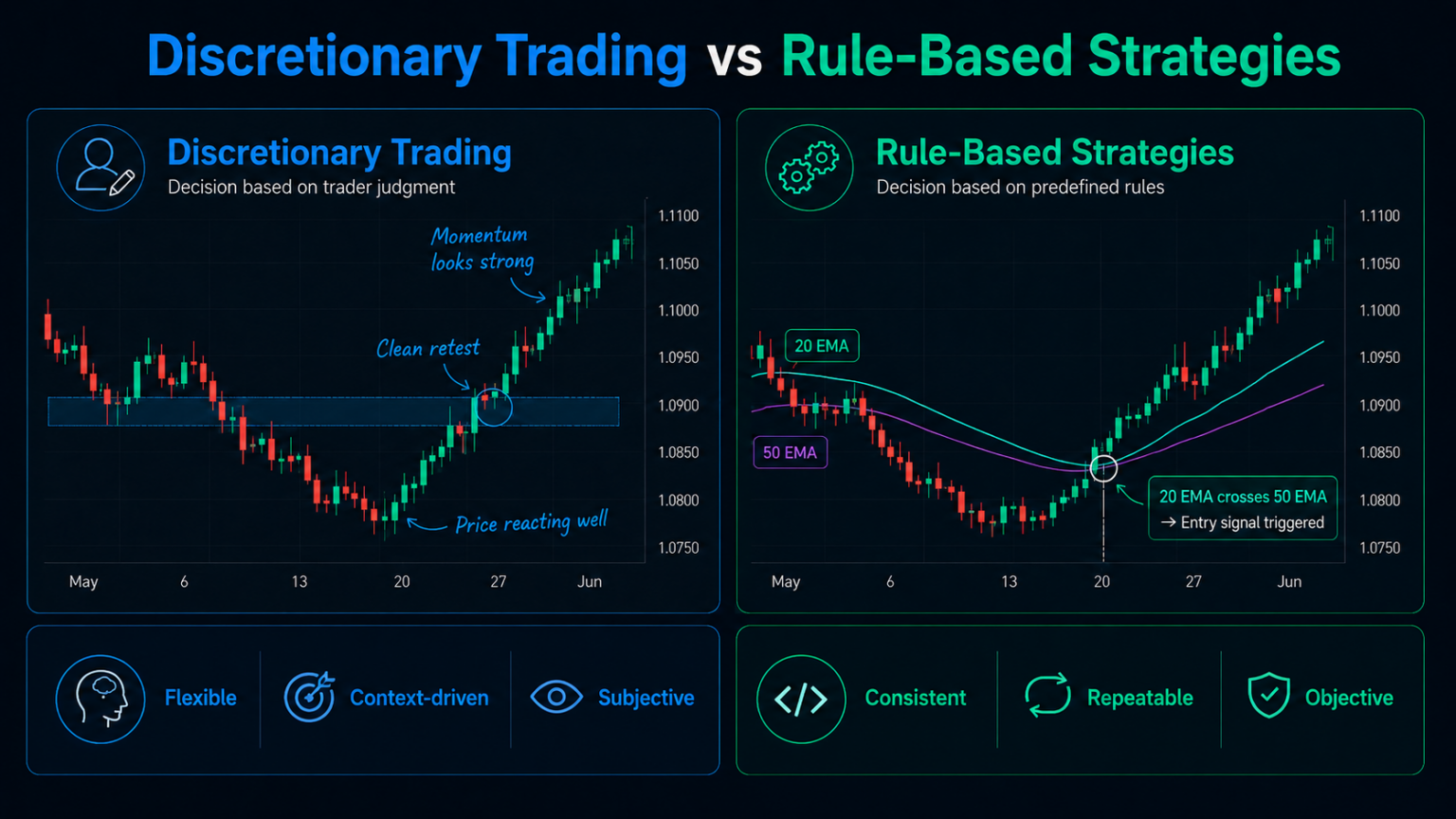
Manual backtesting handles that kind of discretion naturally because the trader can judge context directly. Paper trading does the same, except those judgments happen in real time. Automated backtesting requires every important condition to become measurable. That raises an important question for traders: Are you testing your actual strategy, or a simplified version that happens to be easier to code?
You could also do a hybrid approach by automating objective components – trend direction, volatility, entry triggers – while manually reviewing the qualitative parts such as structure or setup quality. That is often more useful than forcing a discretionary strategy into rigid rules just so it can be backtested automatically.
The testing method should adapt to the strategy, not the other way around.
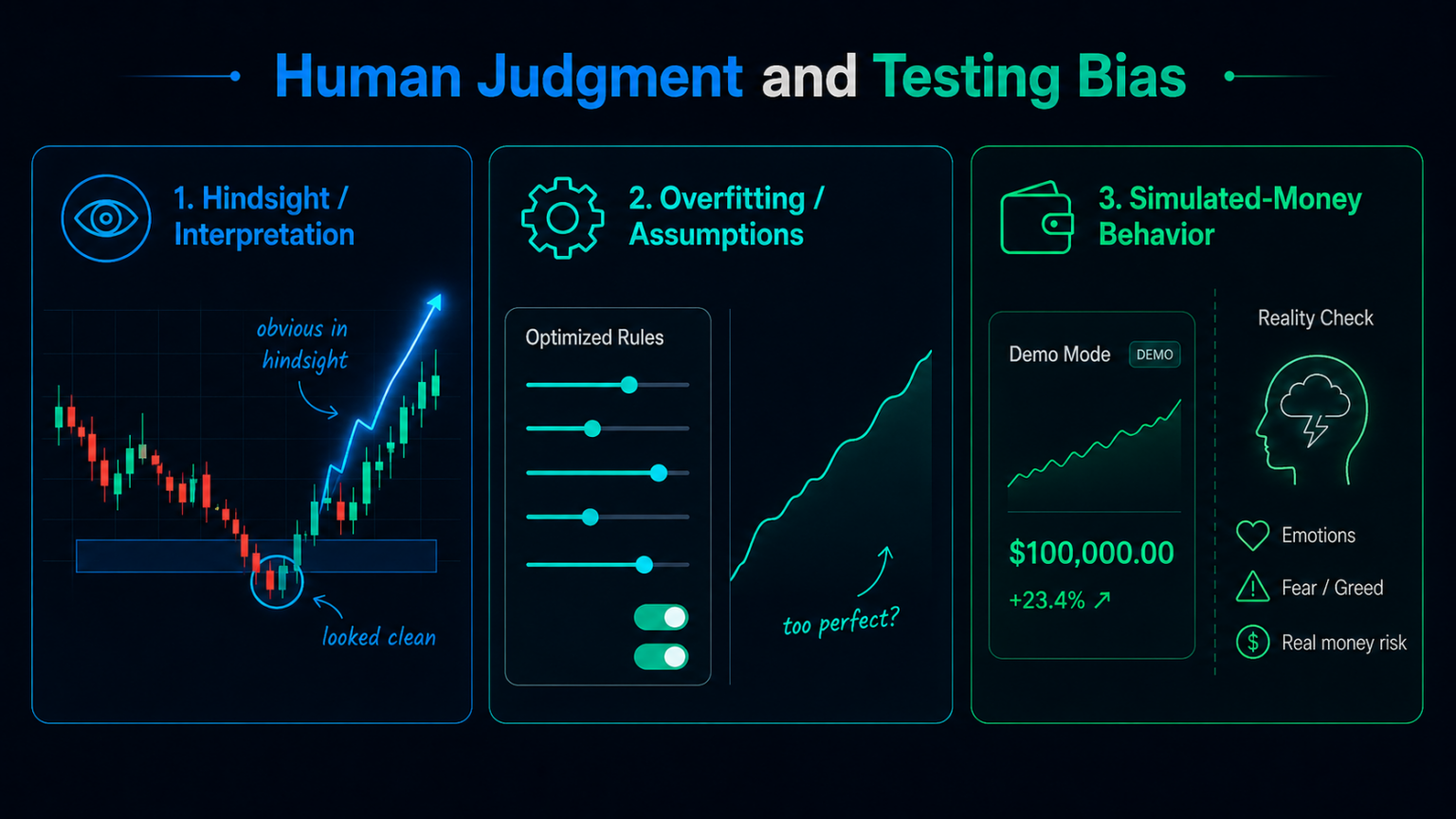
6. Human Judgment and Testing Bias
Manual backtesting is most exposed to hindsight and interpretation bias. You can cherry-pick setups, subtly change rules, or classify an old trade differently if you can already see (or remember) the outcome. Bar Replay helps here by hiding future candles, but it cannot remove subjectivity.
Automated backtesting removes that moment-to-moment judgment, but introduces its own problems. You can overfit parameters, accidentally use future information, test only favorable markets, or build rules that describe the past extremely well without being robust outside the sample. Paper trading avoids most hindsight because the outcome genuinely has not happened yet. But simulated money creates another weakness: you may take positions, reset accounts, or ignore rules in ways they would never tolerate with real capital.
Practically speaking, there’s no point in looking for a bias-free method. It’s better to figure out which bias you are most exposed to and design the test around it.
7. Execution and Trade-Management Practice
This is where the three methods separate sharply. Automated backtesting tells you how the rules are executed. It tells you very little about whether you can execute them. Manual backtesting sits somewhere in the middle. With Bar Replay and simulated historical orders, you can practice entries, stops, targets, and management decisions. But you can still pause, fast-forward, and remove most of the waiting that exists in live markets.
Read: How to Get Started with Automated Trading: From Idea to Live Bot in 3 Simple StepsPaper trading is much better for execution practice because you have to operate at market speed. That includes things backtests often gloss over like missing an entry, hesitating your entries, or waiting through slow periods. It also helps reveal whether a strategy is operationally realistic. A setup might look excellent historically but require you to monitor six markets simultaneously, react within seconds, or place orders at times you are rarely available.
That is not necessarily a strategy problem. It may be an execution problem, and paper trading is often where you discover it.
8. Realism and Emotional Pressure
Paper trading is the closest of the three to live trading , obviously. But there is an important distinction: Market realism is not the same as emotional realism. Paper trading uses a live environment, but simulated losses do not feel like real losses. Manual backtesting is even further removed because you control the pace of the market. Automated backtesting offers almost no emotional realism because the trader is removed from individual execution.
This means none of the three can fully test trading psychology. What they can do is progressively increase realism by using historical testing to establish whether the strategy deserves further attention.
9. Data, Metrics, and Performance Analysis
Automated backtesting usually provides the richest quantitative dataset. Depending on the platform, you can quickly evaluate metrics such as win rate, expectancy, drawdown, profit factor, average trade, and exposure. Manual backtesting requires more work, but it has one advantage that I used to underestimate: you decide what gets recorded.
Alongside P&L, you can track qualitative variables such as:
- Market regime
- Setup quality
- Entry quality
- Whether rules were followed
- Reasons for skipping a trade
- Specific price-action context
Paper-trading statistics are useful too, but the sample builds slowly. Its real value is comparing forward results with what your historical testing led you to expect. Whichever method you use, avoid reducing performance to win rate alone.
10. Strategy Iteration and Optimization
Automated backtesting is exceptionally good at rapid iteration. Change a parameter, rerun the test, compare the results. That makes it easy to examine different stops, filters, lookback periods, or entry conditions across the same historical sample. It also makes overfitting dangerously easy.
If you keep tweaking a strategy until it perfectly explains the historical data, you may simply be fitting rules to noise rather than discovering something robust. Manual backtesting slows this process down, which is sometimes useful. Because you inspect trades individually, you can notice contextual reasons for failure that a performance report may hide.
Paper trading is slower again, but it serves a different purpose: checking whether improvements discovered historically continue to make sense on unseen market data.
11. Costs, Tools, and Technical Skill
Manual backtesting has the lowest technical barrier. A chart, spreadsheet, and clear trading rules can be enough. Tools such as Bar Replay improve the process, but programming is not required. Paper trading is similarly accessible because most of the complexity sits in learning the trading platform and its order types rather than building the testing environment. Automated backtesting has the highest potential barrier. Depending on the strategy, you may need to understand:
- Pine Script, Python, or another language
- Historical data quality
- Commission and slippage assumptions
- Order execution logic
- Strategy-specific platform limitations
That extra complexity can absolutely be worthwhile when automation gives you access to thousands of historical trades. But a sophisticated setup isn’t necessarily good. A poorly constructed automated backtest is less reliable than a carefully controlled manual one. The best tool is the simplest one that can accurately test the question you intend to ask. Only add technical complexity if and when it gives you better evidence.
12. What Is the Best Way to Test a Trading Strategy?
Manual backtesting is best when the strategy depends on context, visual judgment, or rules that are still being refined. Automated backtesting is strongest when the strategy is objective enough to automate. And paper trading shines when you want to move beyond historical evidence and see whether the strategy still makes sense in the current market. It also tests something backtesting cannot: whether you can actually execute the strategy consistently while setups unfold in real time.
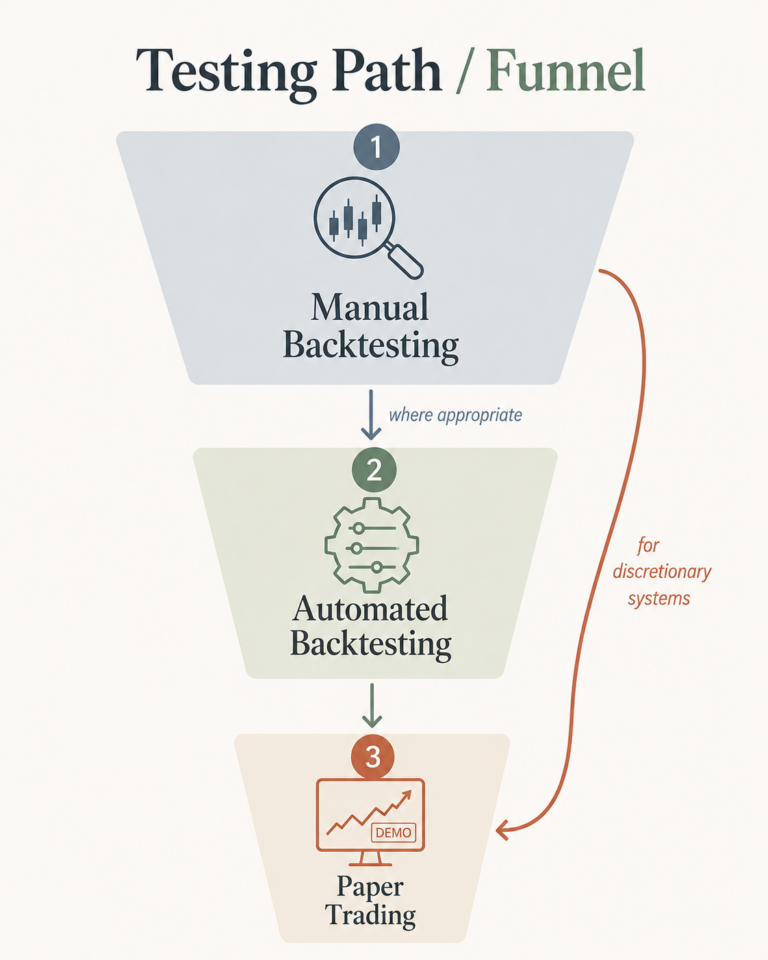
For many traders, these methods work best together rather than as alternatives. A sensible process might look like: Manual backtesting → Automated backtesting where appropriate → Paper trading
You can use manual testing to develop and clarify the strategy, automation to stress-test objective rules across larger samples, and paper trading to see how the final process holds up on unseen market data.
📌 Trader’s Note: This does not mean every strategy needs all three. A highly discretionary strategy may never translate well into code, so manual backtesting → paper trading may be the better route.

SM_Trader
SM_Trader is a highly experienced coder and strategy developer who brings the most complex algorithms to life. As a member of MENSA, the prestigious organization for individuals with intelligence scores in the top 2% of the world, he combines exceptional analytical skills with a keen eye for numbers and statistics, empowering businesses to grow at the right pace and in the right direction.
More from SM_Trader